
Exterior Painting Connecticut: The Ultimate Spring Checklist
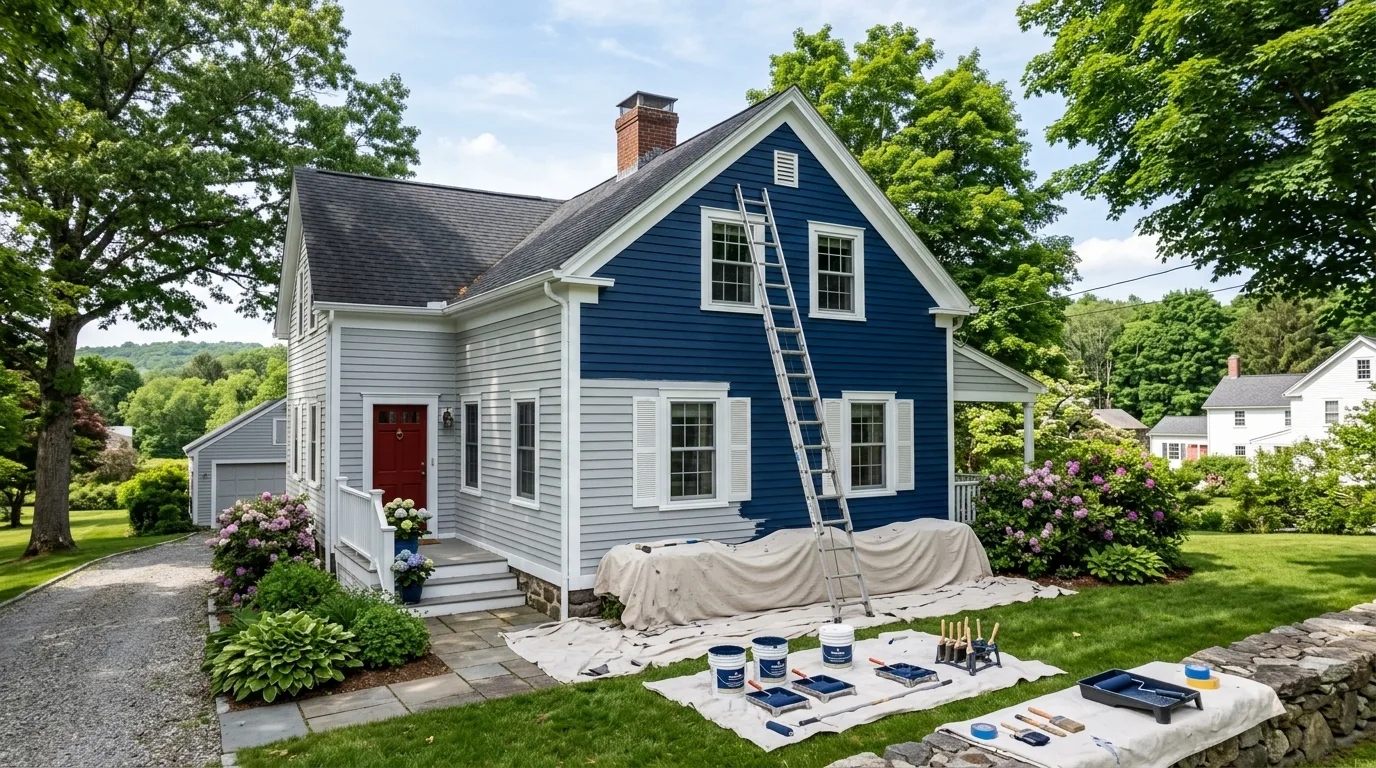
As the harsh New England winter fades, homeowners and business owners alike begin to assess the toll the ice and snow have taken on their properties. Consequently, exterior painting Connecticut becomes a top priority during the spring months. Whether you own a historic Colonial in Litchfield or a modern commercial space in Stamford, preparing your building’s envelope is vital for long-term durability. To begin with, a professional-grade spring checklist ensures that your investment is protected from the humid summers ahead.
Why Spring is the Ideal Time for Exterior Painting in Connecticut
Timing is everything when it comes to paint adhesion and longevity. Specifically, the moderate temperatures of late April and May provide the perfect window for exterior painting Connecticut projects. Furthermore, because Connecticut experiences significant humidity in July, completing your painting early prevents moisture from being trapped beneath the surface. In addition to weather benefits, scheduling CT painters in the spring allows you to identify any wood rot caused by winter moisture before it spreads.
The Comprehensive Spring Exterior Checklist
A successful project starts with a systematic approach. Therefore, we have compiled this professional checklist to guide you through the process, whether you are DIY-ing or hiring CT painters.
1. Thorough Visual Inspection
First and foremost, walk around your entire property. Look for signs of "alligatoring," peeling, or bubbling paint. Moreover, pay close attention to the trim and window sills, as these areas often show wear first. For commercial properties, check the high-traffic entryways where salt damage from winter de-icing is most prevalent.
2. Professional Power Washing
Before a single drop of paint is applied, the surface must be pristine. Consequently, power washing is necessary to remove mildew, dirt, and residual road salt. However, it is important to note that improper pressure can damage wood siding. For this reason, many residents prefer hiring experienced CT painters who understand the delicate balance required for different materials.
3. Scraping and Sanding
Once the surface is dry, any loose paint must be removed. Afterward, sanding the edges of the remaining paint ensures a "feathered" transition, which makes the final coat look seamless. In fact, preparation is 70% of the work in any high-quality exterior painting Connecticut job.
4. Addressing Wood Rot and Repairs
Connecticut’s climate is notorious for causing wood rot in older homes. Consequently, you must replace any soft or damaged wood before painting. Nevertheless, if the damage is minor, high-quality wood fillers can be used. This step is crucial for maintaining the structural integrity of both residential and commercial buildings.
5. Priming and Caulking
To ensure the paint sticks, a high-quality primer is essential, especially on bare wood or repaired areas. Furthermore, applying new caulk around windows and doors prevents air leaks and moisture intrusion. As a result, your property becomes more energy-efficient, saving you money on cooling costs during the CT summer.
Residential vs. Commercial Considerations
While the basic steps remain the same, commercial exterior painting Connecticut often requires specialized equipment and scheduling. For instance, commercial projects might need to be completed after-hours to avoid disrupting business operations. On the other hand, residential projects focus heavily on aesthetic detail and color consultations that complement the local Connecticut landscape.
Why Local Expertise Matters (E-E-A-T)
Choosing a local contractor is not just about convenience; it is about expertise. CT painters understand the specific challenges of our region, from the salt air along the shoreline to the extreme temperature fluctuations in the valleys. By choosing a specialist in exterior painting Connecticut, you are guaranteed a finish that can withstand the unique New England elements.
Frequently Asked Questions (FAQ)
What is the best month for exterior painting in Connecticut?
Typically, late April through early June is ideal. This period offers the stable, moderate temperatures required for the paint to cure properly without the risk of frost or extreme heat.
How often does a house in CT need exterior painting?
Due to our varied climate, most homes require a fresh coat every 5 to 7 years. However, homes with cedar siding or those located near the coast may need attention sooner.
Can I paint my house if it might rain?
No, you should avoid painting if rain is forecasted within 24 hours. Consequently, CT painters monitor local weather closely to ensure a dry window for application and curing.
Does professional exterior painting increase property value?
Absolutely. A professional exterior painting Connecticut project can offer a significant return on investment, often increasing curb appeal and overall market value by up to 5-10%.