
Exterior Painting Connecticut: Best Paint for Local Climate
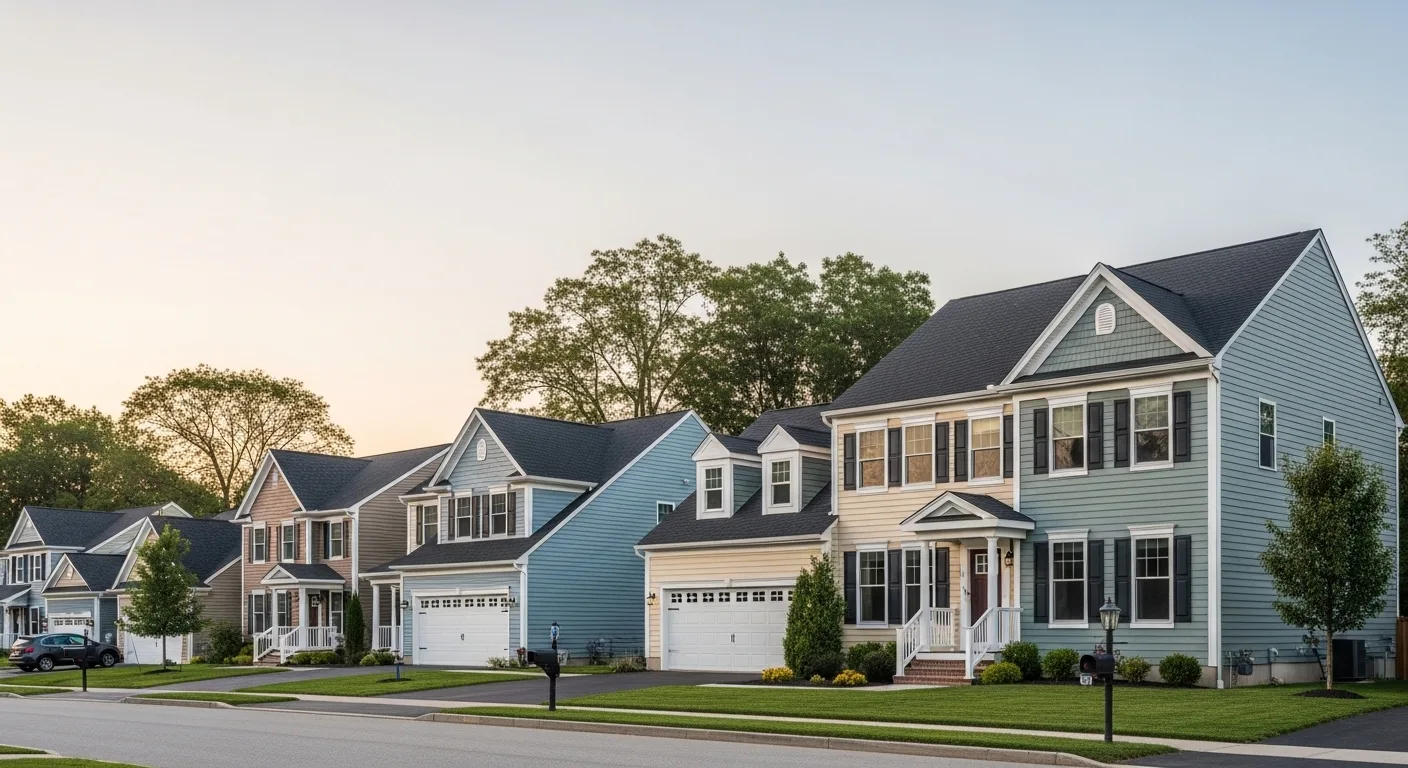
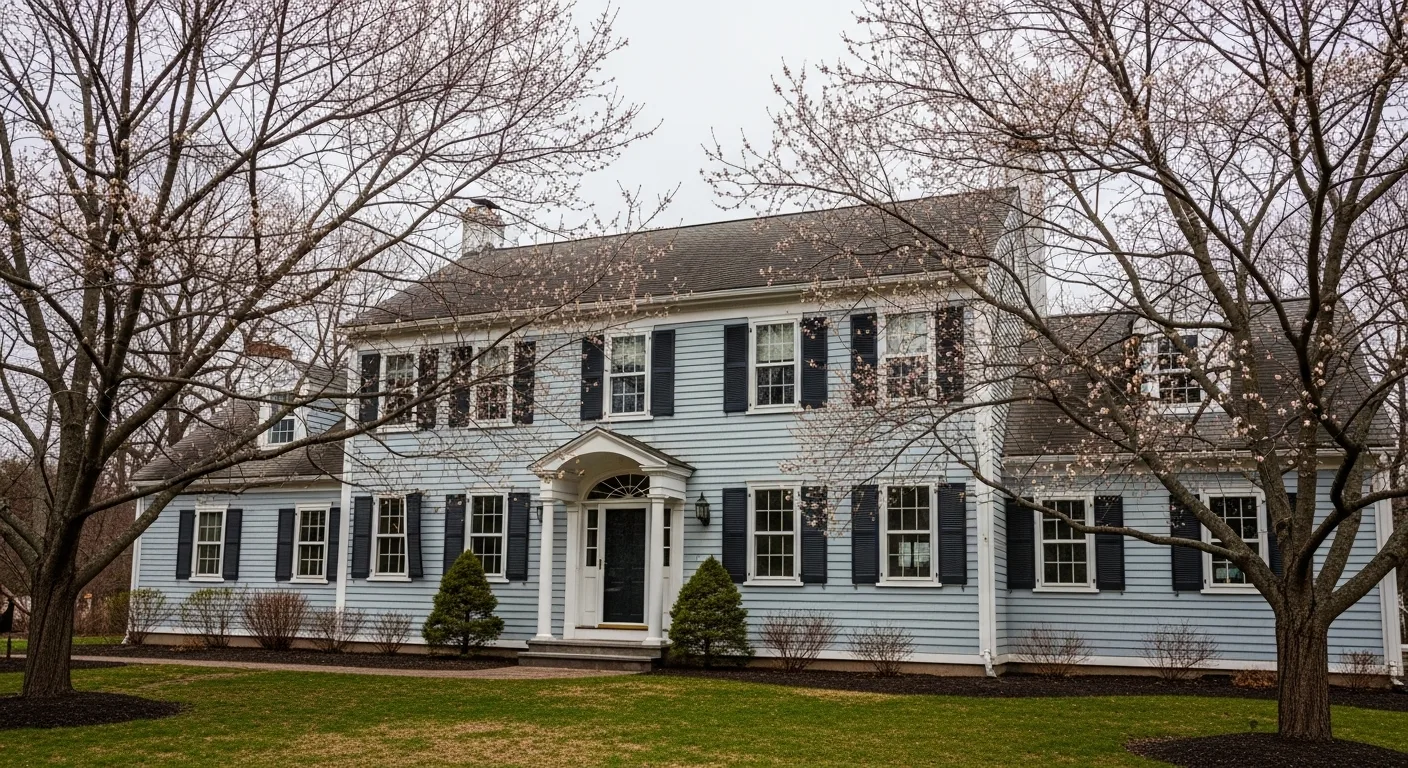
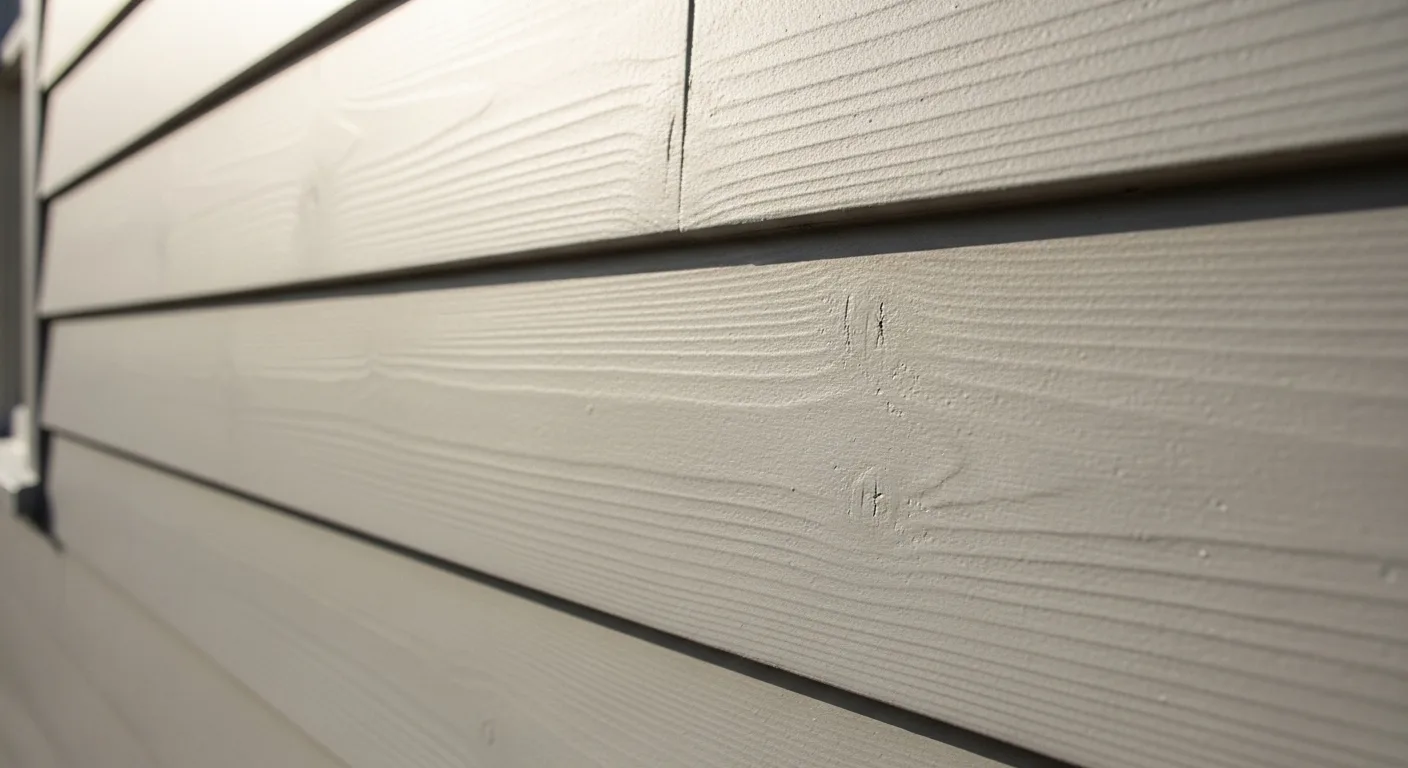
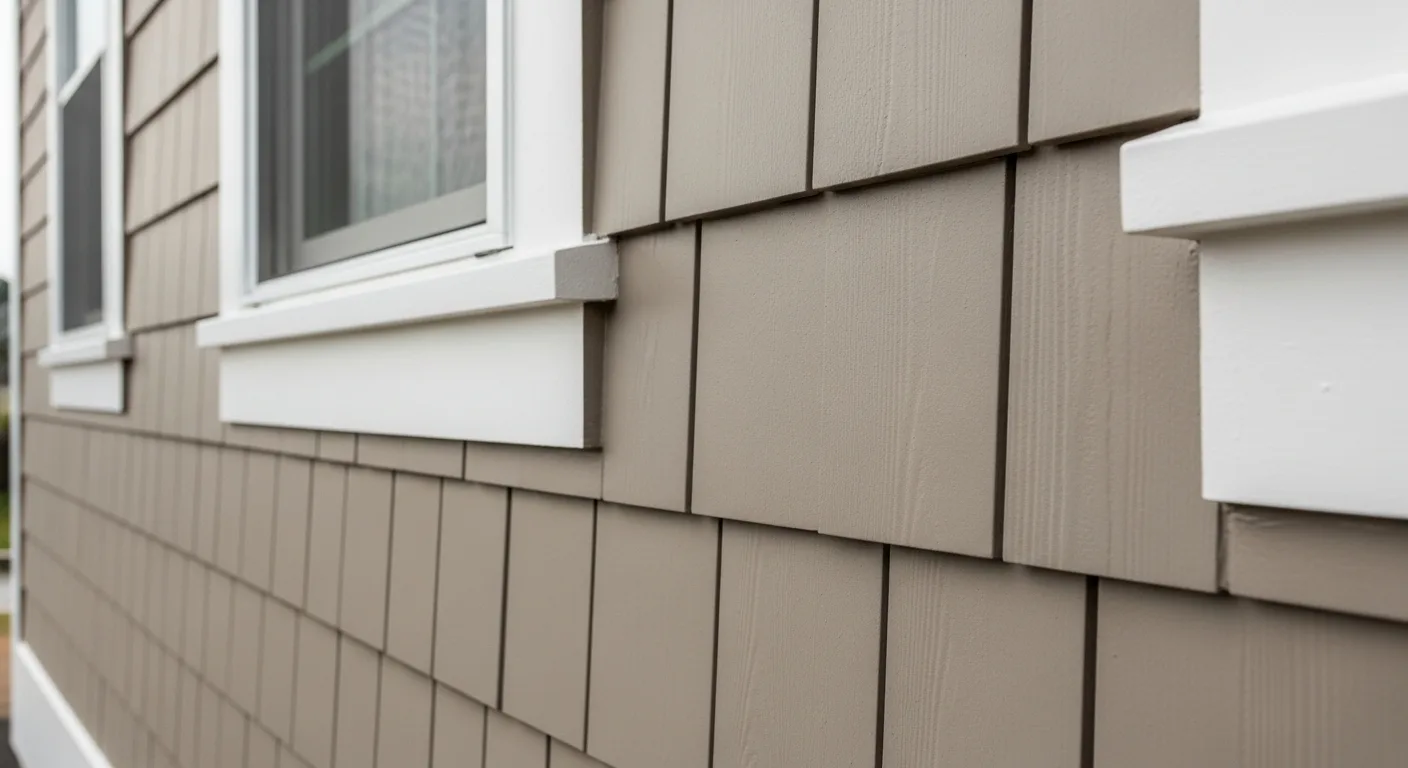
When it comes to exterior painting Connecticut, choosing the right paint is essential. Because Connecticut experiences harsh winters, humid summers, and unpredictable weather shifts, homeowners and business owners must select coatings that withstand these conditions. Therefore, investing in climate-resistant paint not only protects your property but also enhances its long-term value.
Why Climate Matters in Exterior Painting
Connecticut’s climate plays a critical role in how exterior paint performs. For instance, freezing temperatures in winter can cause paint to crack, while summer humidity can lead to peeling and mold growth. As a result, selecting the wrong product may lead to frequent repainting and higher maintenance costs.
In addition, coastal areas in Connecticut face salt exposure, which can accelerate wear and tear. Consequently, choosing the right materials becomes even more important for durability.
Key Features of Climate-Resistant Paint
1. Moisture Resistance
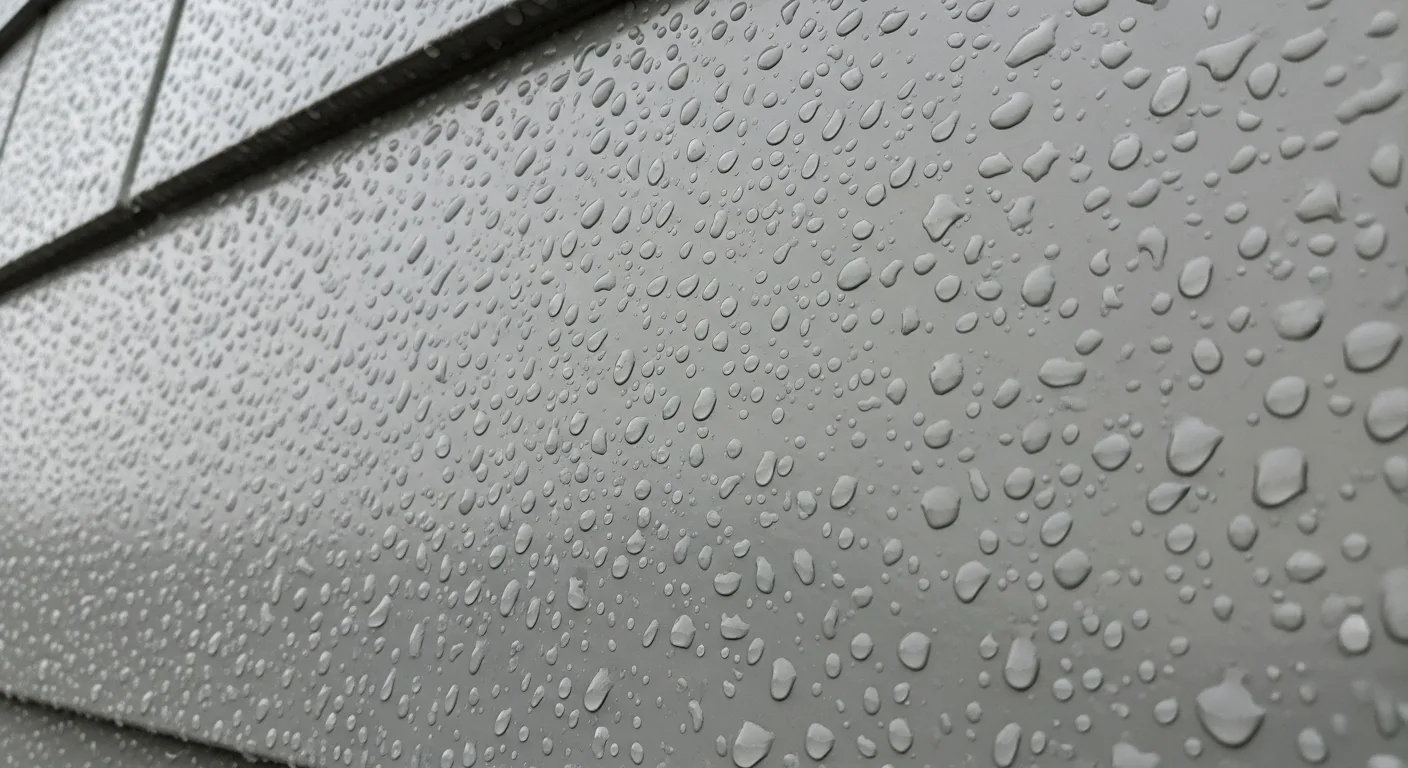
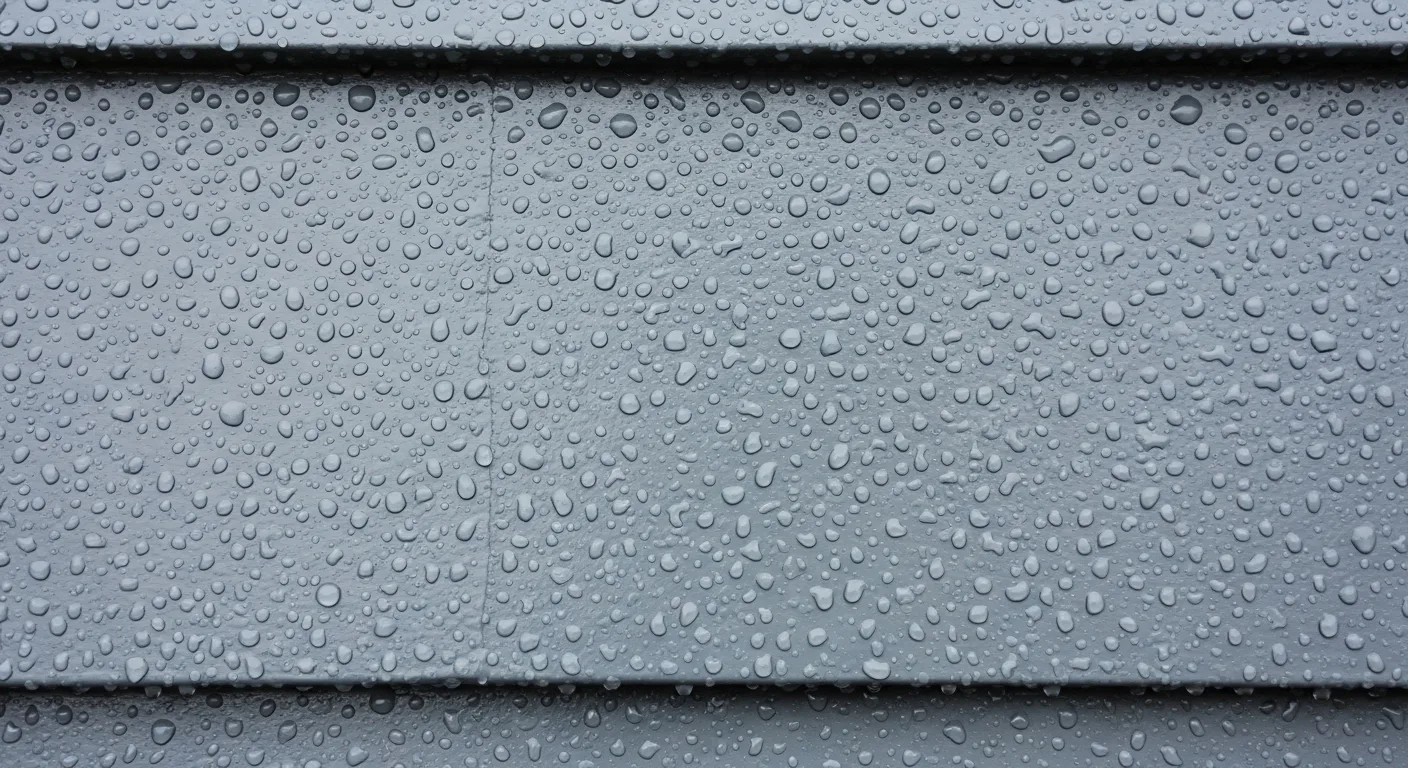
Since Connecticut often experiences rain and humidity, moisture-resistant paint is crucial. Not only does it prevent water infiltration, but it also reduces the risk of mold and mildew.
2. Temperature Flexibility
Because temperatures fluctuate significantly, high-quality paint should expand and contract without cracking. Therefore, elastomeric or flexible coatings are highly recommended.
3. UV Protection
Even though winters are harsh, summers bring strong sunlight. As a result, UV-resistant paint helps maintain color vibrancy and prevents fading.
4. Durability and Adhesion
Proper adhesion ensures that paint stays intact despite environmental stress. In other words, premium products last longer and require fewer touch-ups.
Best Types of Exterior Paint for Connecticut
Acrylic Latex Paint
This is one of the most popular options for exterior painting Connecticut. Because it is water-based, it offers excellent flexibility and resistance to cracking. Additionally, it dries quickly and is environmentally friendly.
Oil-Based Paint
Although less common today, oil-based paint provides a smooth finish and strong adhesion. However, it may not perform as well in extreme temperature changes compared to acrylic options.
Elastomeric Coatings
For properties exposed to severe weather, elastomeric coatings are ideal. Not only do they bridge small cracks, but they also provide superior waterproofing.
Choosing the Right Color for Connecticut Homes
Color selection is just as important as paint type. For example, lighter shades reflect sunlight and help maintain surface temperature, while darker tones may absorb heat. Therefore, homeowners should balance aesthetics with functionality.
Additionally, Connecticut’s traditional architecture—such as Colonial and Cape Cod styles—often pairs well with neutral tones, whites, and classic blues. Consequently, choosing timeless colors can improve curb appeal and resale value.
Professional vs. DIY Exterior Painting
Benefits of Hiring Professionals
While DIY projects may seem cost-effective, professional painters bring expertise and efficiency. Moreover, they understand local climate challenges and recommend the best products accordingly.
When DIY Might Work
If the project is small and conditions are favorable, DIY can be an option. However, proper surface preparation and product selection remain critical for success.
Preparation: The Key to Long-Lasting Results
Even the best paint will fail without proper preparation. Therefore, surfaces must be cleaned, sanded, and primed before application. In addition, repairing cracks and removing old paint ensures better adhesion.
As a result, thorough preparation significantly extends the lifespan of your exterior paint job.
Maintenance Tips for Exterior Paint
- Inspect surfaces annually for cracks or peeling
- Clean siding to remove dirt and mildew
- Touch up damaged areas promptly
- Schedule repainting every 5–10 years depending on exposure
By following these steps, property owners can preserve their investment and maintain a fresh appearance.
Conclusion
In summary, successful exterior painting Connecticut depends on selecting climate-resistant materials and proper application techniques. Because of the region’s diverse weather conditions, choosing high-quality paint ensures durability, protection, and aesthetic appeal. Therefore, whether for residential or commercial properties, investing in the right solution delivers long-term benefits.
Frequently Asked Questions (FAQ)
What is the best paint for exterior painting in Connecticut?
Acrylic latex paint is generally the best choice due to its flexibility, durability, and resistance to moisture and temperature changes.
How often should I repaint my property in Connecticut?
Typically, every 5–10 years. However, exposure to harsh weather may require more frequent maintenance.
Can exterior painting be done during winter?
It is not recommended. Because low temperatures affect curing, spring through early fall is the ideal time.
Does climate-resistant paint cost more?
Yes, initially. However, it reduces long-term maintenance costs and extends the lifespan of the paint job.