
Avoid costly exterior painting mistakes and protect your Connecticut property from harsh weather conditions.
Exterior painting Connecticut homeowners invest in is not just about appearance — it’s about protection, durability, and property value. However, many residential and commercial properties across Connecticut suffer premature damage due to avoidable mistakes.
Therefore, understanding what not to do is just as important as choosing the right paint. In this guide, you’ll discover the most common exterior painting errors in Connecticut and, more importantly, how to avoid them effectively.
Why Exterior Painting Fails in Connecticut

The Role of Weather Exposure
The Importance of Proper Planning
Poor Surface Preparation
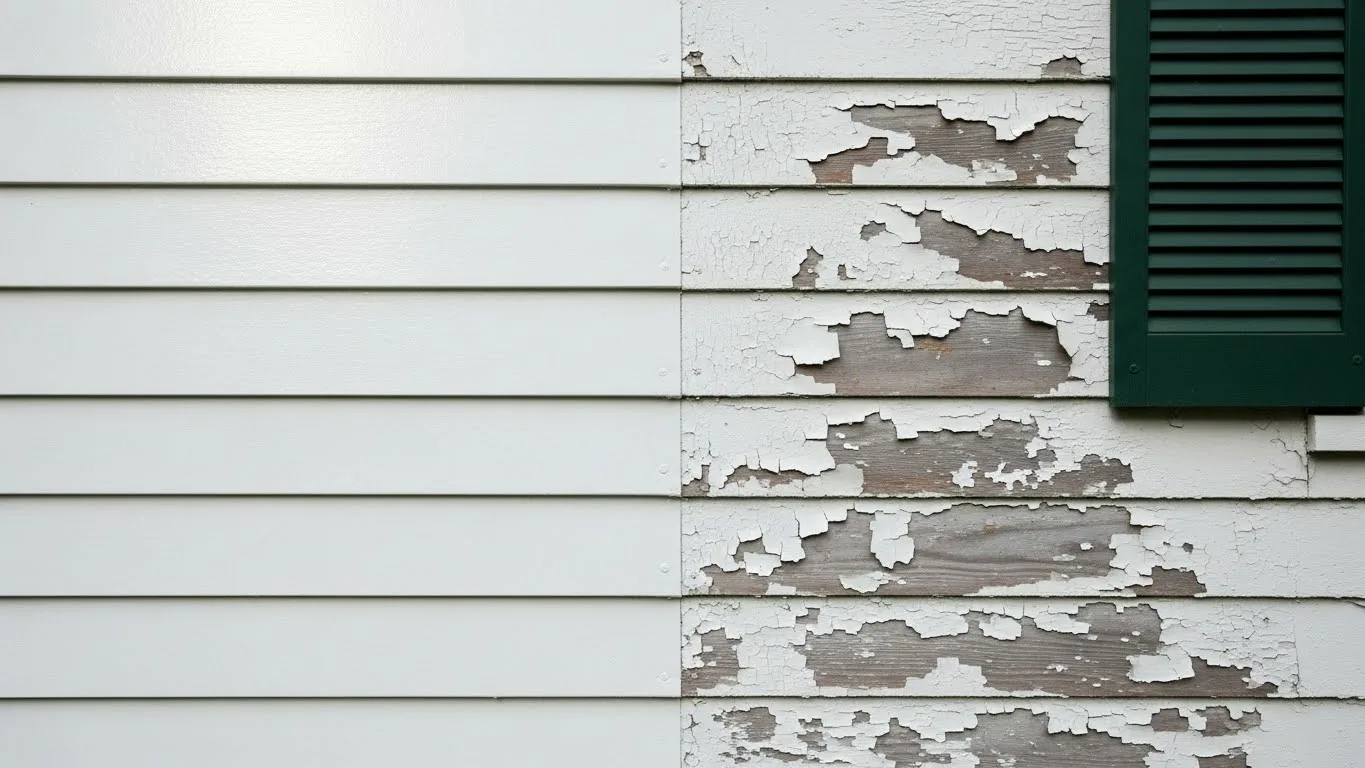
Poor surface preparation is one of the leading causes of exterior painting Connecticut failures. When dirt, mold, or loose paint remain, adhesion becomes weak. Consequently, paint begins to peel and bubble. Over time, moisture penetrates the surface. This damage worsens during freeze-thaw cycles, which are common throughout Connecticut.
Ignoring Connecticut’s Climate Conditions
Exterior painting Connecticut properties requires attention to timing and weather conditions. However, many projects begin without considering humidity or temperature. When paint is applied too early in the season or during damp weather, curing is compromised. As a result, the finish becomes uneven and less durable. Therefore, climate awareness is essential for lasting results.
Using Low-Quality Paint
Although low-cost paint may seem appealing at first, it rarely performs well in exterior painting Connecticut applications. Inferior products fade quickly and crack under temperature stress. Moreover, they offer limited resistance to moisture. In contrast, high-quality paint provides flexibility and UV protection. As a result, maintenance costs are lower over time.
Skipping Primer
Primer is often overlooked, yet it plays a critical role in exterior painting Connecticut projects. It seals porous materials and promotes even absorption. Without primer, paint struggles to bond correctly. Consequently, surfaces wear down faster and lose protection against moisture intrusion.
Choosing the Wrong Paint Finish
Paint finish selection directly affects durability and appearance. In exterior painting Connecticut homes, the wrong finish can stain easily or highlight flaws. Therefore, each surface must be evaluated carefully. When the correct finish is chosen, the exterior remains cleaner and more resilient.